
You finish a great riding session, loosen the girth, and notice your horse’s neck and shoulders are covered in sweat. Maybe there’s even a thin layer of white foam beneath the reins or saddle.
Is this normal? Should you be worried? And does your horse need electrolytes every time it sweats?
Sweating is an important part of how horses regulate body temperature. But sweat contains more than water. It also carries minerals that play essential roles in muscle function, nerve communication, and fluid balance.
Understanding horse electrolytes can help you make smarter decisions about hydration, exercise, and everyday feeding.
Here are seven surprising facts every horse owner should know.
1. Horse Electrolytes Are Lost Every Time Your Horse Sweats
Sweating is your horse’s natural cooling system.
During exercise, muscles generate heat. As sweat evaporates from the skin, it helps release that heat and regulate body temperature.
However, sweating also removes important minerals known as electrolytes.
The main horse electrolytes involved include:
-
Sodium: Helps regulate fluid balance and supports nerve signaling.
-
Chloride: Works with sodium to maintain fluid and acid-base balance.
-
Potassium: Supports normal muscle and nerve function.
-
Calcium: Contributes to muscle contraction and other physiological processes.
-
Magnesium: Participates in normal muscle and enzyme function.
Sodium, chloride, and potassium account for much of the electrolyte loss through equine sweat.
According to Kentucky Equine Research, intense or prolonged exercise can result in significant fluid and mineral losses.
That doesn’t mean every sweaty horse needs a supplement. The amount lost depends on exercise intensity, duration, temperature, humidity, and individual conditions.
2. The Surprising Truth: More Sweat Doesn’t Always Mean Trouble
A sweaty horse isn’t necessarily an unhealthy horse.
In fact, sweating shows that the body’s natural cooling mechanism is working.
A horse exercising in warm weather may sweat heavily even during a familiar training routine. Meanwhile, a horse in cooler conditions may produce considerably less visible sweat.
How Much Sweat Can a Horse Lose?
The University of Minnesota Extension reports that a horse working hard in hot conditions can lose approximately 2–4 gallons of sweat per hour.
That’s a substantial amount of fluid, especially during prolonged exercise.
However, sweat volume alone cannot tell you whether your horse is adequately hydrated.
Pay attention to the complete picture:
-
How long and intensely has your horse worked?
-
Is the weather unusually hot or humid?
-
Has your horse been drinking normally?
-
Is breathing returning toward normal after exercise?
-
Does your horse appear comfortable and alert?
Important: A horse that stops sweating despite being dangerously hot may be experiencing a serious cooling problem. Heavy breathing, weakness, distress, or poor coordination also require immediate veterinary attention.
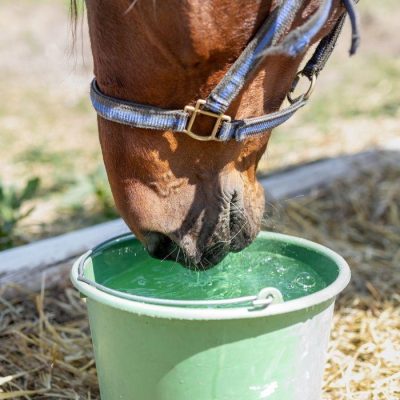
3. Water Alone May Not Replace Everything Lost Through Heavy Sweating
Water is always the foundation of good hydration.
But here’s something many riders overlook: when a horse sweats heavily, it loses both water and dissolved minerals.
Drinking water replaces fluid, but it doesn’t directly replace the electrolytes lost through sweat.
Why Horse Electrolytes Matter After Exercise
Electrolytes help maintain fluid distribution within the body and support normal muscle and nerve activity.
For horses completing demanding workouts, long competitions, or repeated training sessions in hot conditions, electrolyte losses may exceed what their usual diet readily replaces.
This is where a properly formulated equine electrolyte supplement may be useful.
However, supplementation should be matched to actual needs rather than given automatically after every ride.
A horse doing light exercise with minimal sweating may require nothing more than adequate water, forage, and an appropriately balanced salt intake.
Why Plain Water Still Comes First
Never treat electrolytes as a substitute for drinking water.
Supplementation without sufficient water availability can worsen dehydration.
Always provide access to clean, fresh water, whether or not your horse receives additional electrolytes.
4. Not Every Horse Needs Electrolyte Powder Every Day
It’s tempting to believe that more supplements automatically mean better nutritional support.
But horse electrolytes should be considered in the context of the entire feeding and management routine.
A horse’s requirements vary depending on:
-
Workload and exercise duration
-
Temperature and humidity
-
Amount of sweat produced
-
Forage and concentrate intake
-
Salt availability
-
Individual health and drinking habits
When Might Horse Electrolytes Be Helpful?
Supplementation may be worth discussing with your veterinarian or equine nutritionist when your horse experiences substantial sweating during:
Intensive training: Repeated or demanding exercise can increase fluid and mineral losses.
Competition days: Travel, warm-up sessions, and multiple classes may increase hydration demands.
Hot and humid weather: High humidity reduces the efficiency of evaporative cooling.
Long-distance transport: Warm trailers and travel-related changes in drinking behavior can affect hydration.
Do Lightly Worked Horses Need Horse Electrolytes?
Not necessarily.
For horses in light work, an appropriate diet, adequate salt, and consistent access to water may meet normal requirements.
The key is replacing meaningful losses, not adding minerals without a reason.
5. Salt and Horse Electrolytes Are Related, but Not Identical
You may already provide your horse with a salt block or loose salt.
So why would a horse ever need an additional electrolyte product?
Ordinary salt, or sodium chloride, supplies two important electrolytes: sodium and chloride.
Commercial equine electrolyte formulas may provide sodium and chloride alongside potassium and sometimes other minerals.
This distinction becomes more relevant when horses experience considerable sweat losses.
Salt Blocks vs. Electrolyte Powder for Horses
Salt is an important part of routine equine nutrition, while electrolyte supplements may be considered for additional losses associated with demanding activity or heat.
A salt block can provide a convenient source of sodium chloride, although some horses may not consume sufficient amounts from a block alone.
Loose salt may make intake easier to manage.
Neither option should be assumed to meet every horse’s needs without considering its complete diet and workload.
The best approach begins with proper daily feeding, then considers additional electrolytes when circumstances justify them.
6. Horse Electrolytes Work Best With a Smart Hydration Routine
One of the most useful things you can do for your horse is establish consistent hydration habits.
These habits matter before, during, and after exercise.
Before Riding
Make sure fresh water is available and your horse has been drinking normally.
Avoid beginning demanding exercise when a horse already appears dehydrated, unwell, or unusually fatigued.
Plan training around weather conditions, especially during summer.
During Exercise
Allow appropriate breaks and opportunities to drink, particularly during long or demanding sessions.
Monitor breathing, sweating, behavior, and signs of overheating.
Reduce the workload when conditions become excessively hot or humid.
After Riding
Cool your horse appropriately, offer fresh water, and allow sufficient recovery time.
If exercise has caused substantial sweating, consider whether additional electrolytes are appropriate.
The University of Minnesota’s guidance on encouraging horses to drink emphasizes the importance of free access to water when supplements are used.
If electrolytes are added to drinking water, provide a separate source of plain water as well.
A practical hydration routine is more valuable than relying on any single supplement.
7. The Biggest Horse Electrolytes Mistake Is Ignoring the Whole Horse
Here’s the most important lesson: hydration isn’t something you can evaluate from sweat alone.
A horse’s nutritional needs change with workload, climate, feeding habits, and individual health.
Providing electrolytes without considering these factors can lead to unnecessary supplementation or a false sense of security.
Common Mistakes Horse Owners Should Avoid
Mistake 1: Giving electrolytes instead of water.
Water must always remain available.
Mistake 2: Assuming every sweaty horse needs a large serving.
Supplementation should reflect actual losses and feeding requirements.
Mistake 3: Using products not intended for horses.
Choose equine-specific formulations and follow their directions.
Mistake 4: Ignoring the rest of the diet.
Hay, concentrate, salt, and other supplements contribute to overall mineral intake.
Mistake 5: Treating signs of illness with supplements alone.
Weakness, poor drinking, persistent abnormal breathing, or suspected heatstroke require veterinary assessment.
Thoughtful care involves watching your horse, understanding its routine, and responding appropriately to changing conditions.
How to Choose Horse Electrolytes for Everyday Management
If you’re considering an electrolyte supplement, start by reading the product label.
Look for clearly identified mineral ingredients, directions for feeding, and information about appropriate use.
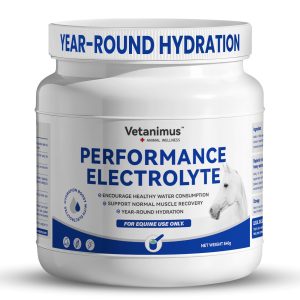
A horse electrolyte powder may be convenient when the label permits it to be mixed with feed or water.
Always follow the manufacturer’s instructions rather than guessing serving sizes.
Be especially careful when combining several supplements, since different products may contain overlapping minerals.
For general supplement-use guidance, visit the Vetanimus Product FAQs.
At Vetanimus, we believe responsible nutritional care starts with understanding the animal’s individual needs. Learn more about our approach through our Brand Story and Mission and Values.
Horse Electrolytes FAQs
Do Horses Need Electrolytes After Every Ride?
No. Horses performing light exercise with limited sweating may have their needs met through water, salt, and a balanced diet. More demanding exercise and substantial sweat losses may justify additional supplementation.
Can You Give Horse Electrolytes in Drinking Water?
Some equine electrolyte products are designed for water administration. Follow the specific label instructions and always offer separate, fresh, plain water.
Are Horse Electrolytes Only Important in Summer?
No. Horses may sweat during exercise in cooler weather too. Workload and sweat losses matter alongside temperature.
Can Too Many Electrolytes Be Harmful?
Yes. Excessive or inappropriate supplementation may disturb mineral balance, and giving electrolytes without adequate water can increase dehydration risks. Consult your veterinarian when unsure.
Final Thoughts: Smarter Hydration Starts With Understanding Your Horse
So, is your horse sweating too much?
The answer depends on far more than how wet its coat becomes after exercise.
Sweating is normal, but substantial sweat losses can increase the need for water and electrolyte replacement.
Understanding horse electrolytes helps you recognize when hydration support may be useful, when ordinary feeding and water are sufficient, and when professional veterinary advice is necessary.
The goal isn’t to give more supplements. It’s to make better-informed decisions for your horse’s daily care.
Disclaimer: This article provides general equine nutrition information and is not a substitute for veterinary advice. Consult your veterinarian regarding suspected dehydration, heat-related illness, or individual supplementation requirements.
Horse Nutrition
Horse Nutrition

Horse Nutrition
Horse Nutrition
Horse Nutrition